Book Your Consultation
What Is Surgery for Aneurysm & Vascular Malformations
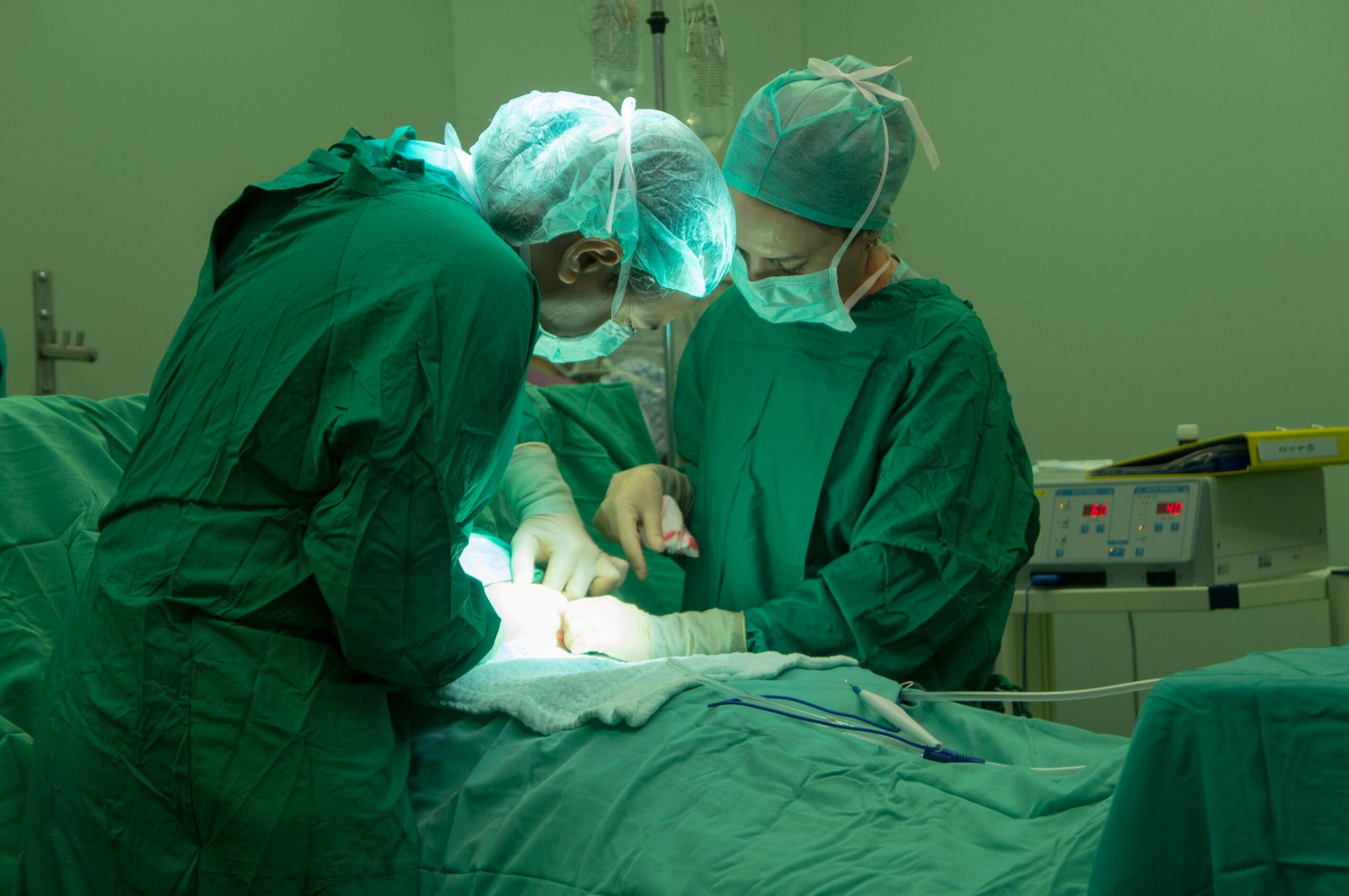
Surgery for aneurysms and vascular malformations involves carefully treating abnormal blood vessels in or around the brain to prevent bleeding, reduce future neurological risks, and protect healthy brain tissue. Dr. Aneel Kumar P uses detailed imaging and careful surgical planning to determine the safest approach based on the size, location, anatomy, and characteristics of the vascular abnormality. Depending on the condition, treatment may include microsurgical clipping, surgical removal of a vascular malformation, or other specialized techniques.
- Advanced vascular imaging
- Precise microsurgical techniques
- Individualized treatment planning
- Protection of critical brain structures
Neuro vascular services
Comprehensive, precision-focused brain tumor treatments combining advanced technology, surgical expertise, and personalized care for safer outcomes.
How the Procedure Works
Dr. Aneel Kumar P uses detailed imaging and microsurgical techniques to safely manage complex vascular abnormalities while minimizing risks to surrounding brain tissue.
Why Choose Aneurysm & Vascular Malformation Surgery
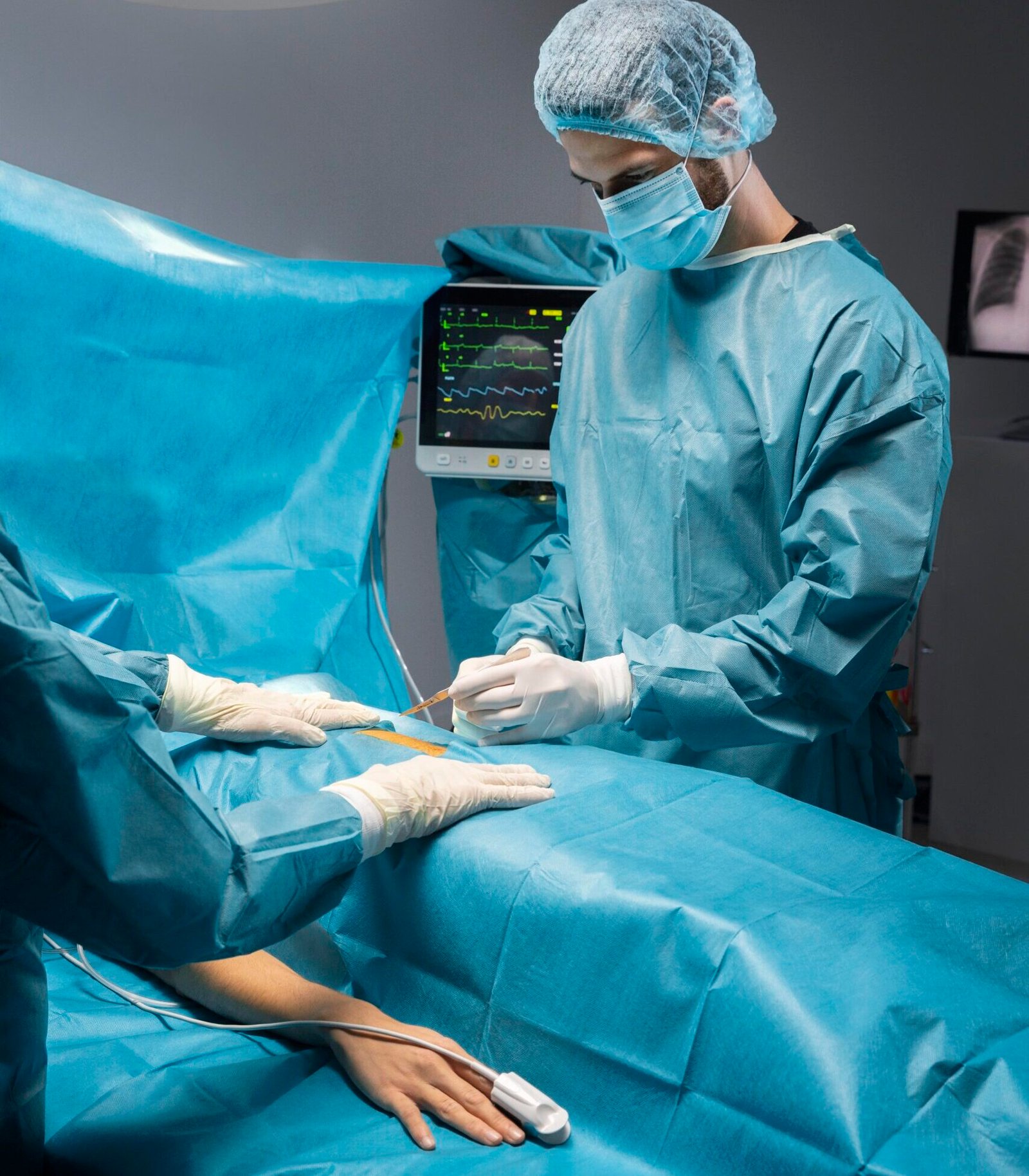
Dr. Aneel Kumar P provides specialized surgical care for brain aneurysms and vascular malformations, focused on precise treatment of complex vascular abnormalities. His approach emphasizes detailed imaging, microsurgical precision, bleeding prevention, protection of healthy brain tissue, and neurological safety.
Frequently Asked Questions
Vascular malformations are abnormal collections or connections of blood vessels that can occur in or around the brain and may sometimes cause bleeding or neurological symptoms.
The procedure is performed under appropriate anesthesia. Postoperative discomfort is managed with medications and individualized recovery care.
The treatment depends on the vascular abnormality's size, location, anatomy, symptoms, rupture status, and overall patient condition.
Recovery varies significantly depending on the type and complexity of the vascular condition, the treatment performed, and the patient's overall health.
Yes. Depending on the condition, treatment options may include endovascular procedures, radiosurgery, observation, or other approaches. Your specialist will recommend the most appropriate option after detailed evaluation.