What Is Surgery for Spinal Cord Injuries
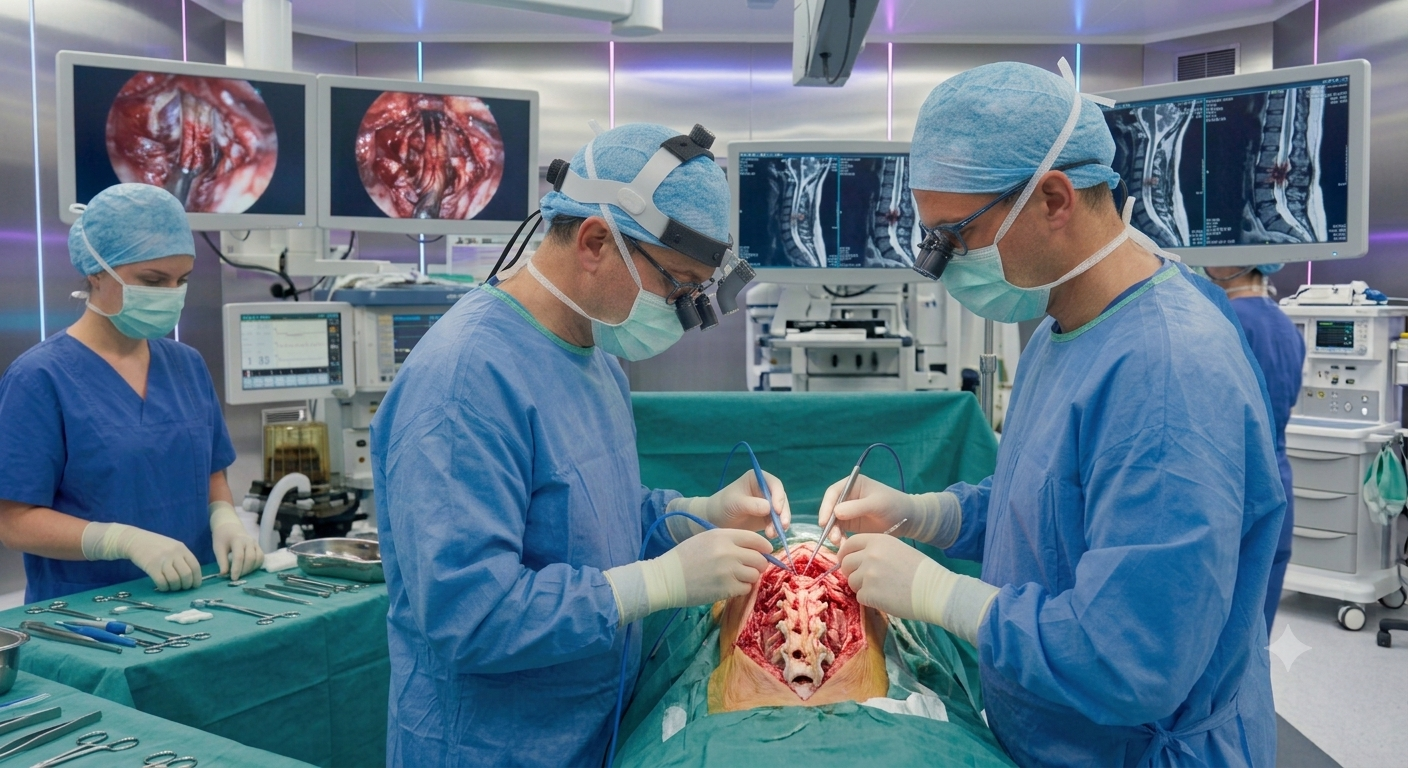
Spinal cord injury surgery may be required when trauma causes spinal instability, fractures, dislocations, or compression of the spinal cord or nerves. Advanced imaging and neurological assessment help determine the severity and location of the injury. Dr. Aneel Kumar P evaluates each patient and plans appropriate surgical treatment to stabilize the spine, relieve pressure, and help prevent further neurological damage.
- Spinal stabilization
- Neural structure protection
- Pressure relief
- Specialized trauma care
Advanced Trauma Care
Comprehensive, timely treatment for serious head injuries, combining advanced imaging, surgical expertise, close monitoring, and coordinated recovery care.
How the Procedure Works
Advanced imaging and neurological assessment help identify spinal damage and guide surgical treatment to stabilize the spine, relieve pressure on the spinal cord or nerves, and protect neurological function. Under the care of Dr. Aneel Kumar P, treatment is tailored to the patient’s specific injury and clinical requirements.
Why Choose Surgery for Spinal Cord Injuries
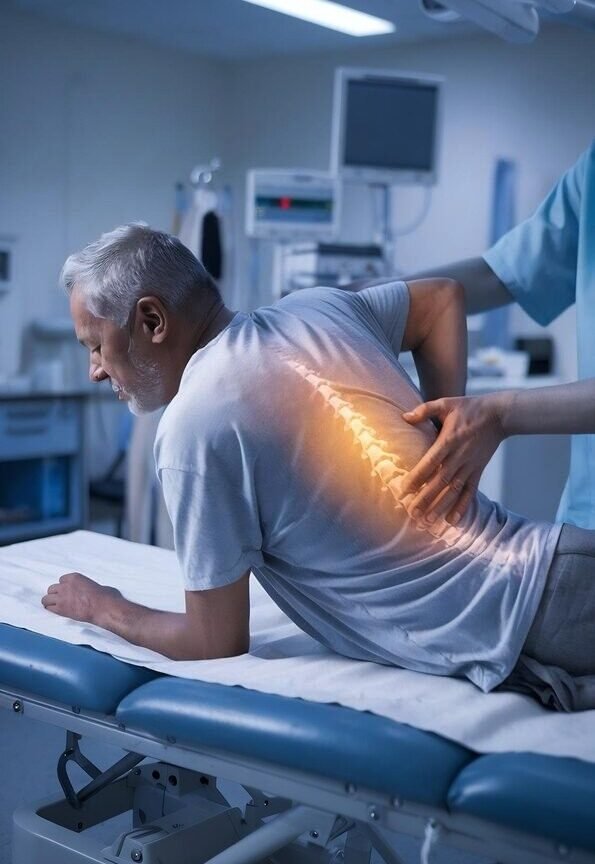
Dr. Aneel Kumar P provides specialized surgical care for spinal cord injuries, focused on relieving compression, stabilizing the spine, and protecting neurological function. His approach emphasizes rapid assessment, precise surgical planning, spinal stabilization, neural protection, and personalized recovery care.
Frequently Asked Questions
Surgery may be considered when trauma causes spinal instability, fractures, dislocations, significant compression, or other conditions requiring stabilization or decompression.
Surgery may be required for selected spinal fractures, dislocations, unstable injuries, or spinal cord and nerve compression following trauma.
Surgery primarily aims to stabilize the spine, relieve compression, and prevent further damage. Neurological recovery varies depending on the severity and level of the injury.
Serious spinal cord injuries require urgent medical assessment. The timing of surgery depends on the injury pattern, neurological condition, and clinical findings.
Many patients benefit from structured rehabilitation to support mobility, strength, independence, and recovery of neurological function.